Get Mini Split Installation
Mini split installation services help property owners add or replace ductless heating and cooling systems for efficient climate control in various spaces.
Mini split installation services are a practical solution for property owners looking to improve indoor comfort and energy efficiency. Whether upgrading an existing system or installing a new one, many local property owners explore these services to achieve targeted climate control in specific areas or to add cooling and heating options where traditional systems may not be suitable. By considering local contractors experienced in mini split setups, property owners can find tailored solutions that meet their unique needs and preferences.
Exploring options for mini split installation often involves comparing the capabilities and offerings of local service providers. This helps property owners identify professionals who can deliver quality work aligned with their project goals. As part of planning these upgrades, reviewing local contractor options ensures that the chosen service providers are well-equipped to handle the installation process effectively. Keep reading to discover how connecting with local experts can support your mini split project.
- Mini Split Installation - needed when a homeowner wants to add or replace a ductless cooling and heating system in a specific room or zone.
- Mini Split System Replacement - required when an existing ductless unit becomes inefficient or fails to operate properly.
- Energy-Efficient Cooling Solutions - sought by those looking to upgrade to a more energy-efficient climate control system for their space.
- Room or Zone Climate Control - necessary for individual rooms that require separate temperature management from the main HVAC system.
- Ductless HVAC System Setup - needed when installing a flexible, space-saving cooling and heating option in new or remodeled areas.
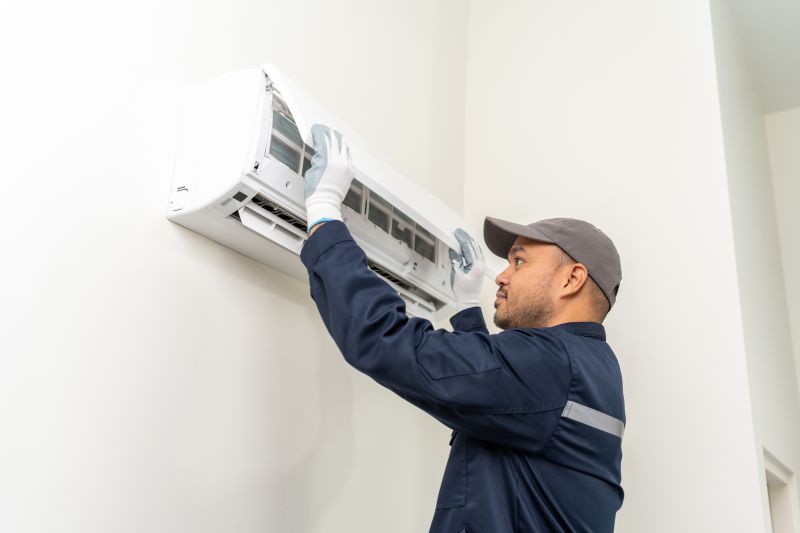

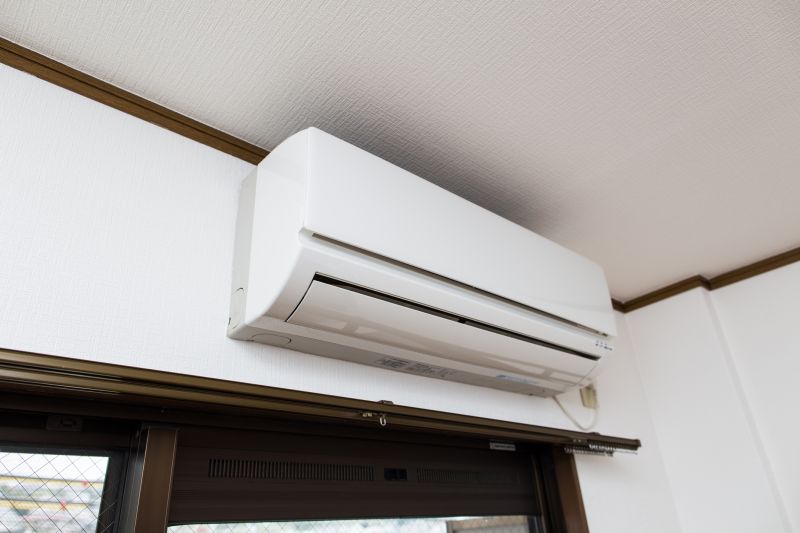
Mini split installation services involve setting up ductless heating and cooling systems that provide efficient climate control for various spaces. These systems consist of an outdoor compressor unit connected to one or more indoor air handlers, allowing for targeted temperature management without the need for extensive ductwork. The installation process typically includes mounting the indoor units, connecting the refrigerant lines, and ensuring the system operates properly. This service is essential for homeowners seeking a flexible and space-saving solution to regulate comfort levels in specific rooms or zones within a property.
Many common problems can be addressed with mini split systems, making installation a practical solution for various heating and cooling challenges. For instance, they are ideal for homes that experience uneven temperatures, where certain rooms are difficult to heat or cool using traditional central systems. Mini splits also help eliminate issues related to duct leaks, poor airflow, or high energy bills caused by inefficient HVAC setups. Additionally, they can serve as an effective option for upgrading older properties or adding climate control to additions and converted spaces that lack existing ductwork.
Properties that typically use mini split installation services include single-family homes, especially those with rooms that are hard to heat or cool evenly. They are also popular in converted garages, attics, or basement spaces where extending ductwork might be impractical or costly. Small commercial buildings, retail shops, or offices can benefit from these systems as well, providing localized comfort control without extensive renovations. Overall, mini split systems are a versatile choice for a variety of property types seeking efficient, zone-specific climate management.
When considering mini split installation, homeowners should look for local contractors experienced in handling these systems. Proper installation ensures optimal performance and energy efficiency, whether for a new build, renovation, or upgrade. Service providers can assess the specific needs of a property, recommend suitable system sizes and configurations, and handle the installation process professionally. Contacting local pros for this work is a practical step for those looking to improve comfort and energy use within their homes or commercial spaces.
The overview below groups typical Mini Split Installation projects into broad ranges so you can see how smaller, mid-sized, and larger jobs often compare in your area.
In many markets, a large share of routine jobs stays in the lower and middle ranges, while only a smaller percentage of projects moves into the highest bands when the work is more complex or site conditions are harder than average.
Smaller Repairs - minor repairs or adjustments to existing mini split systems typically cost between $250 and $600. Many routine service jobs fall within this range, depending on the complexity of the work.
Partial Replacements - replacing individual components or upgrading parts usually ranges from $600 to $1,500. Most projects in this category are mid-sized and fall comfortably within this band.
Full System Replacement - installing a new mini split system from scratch can cost between $2,000 and $5,000, with larger or more complex setups reaching higher prices. Fewer projects push into the highest tiers, which are reserved for larger homes or multi-zone systems.
Complex or Custom Installations - highly customized or multi-zone systems can exceed $5,000, reflecting the additional labor and equipment involved. Such projects are less common and typically involve extensive modifications or special requirements.
Actual totals will depend on details like access to the work area, the scope of the project, and the materials selected, so use these as general starting points rather than exact figures.
Ductless HVAC System Installation - involves similar planning and skill sets for installing compact climate control units in residential or commercial spaces.
Central Air Conditioning Setup - shares expertise in refrigerant lines, electrical connections, and indoor air handling components with mini split installation projects.
Indoor Air Quality System Installation - requires knowledge of ventilation and air filtration systems, often integrated with mini split setups for optimal comfort.
HVAC Zoning System Installation - involves designing and installing multiple climate zones within a building, similar to configuring mini split units for targeted cooling or heating.
Thermostat and Control System Setup - includes installing and configuring advanced thermostats, which are often paired with mini split units for efficient operation.
Electrical Wiring and Panel Upgrades - necessary for supporting additional HVAC equipment and ensuring proper power supply for mini split systems.
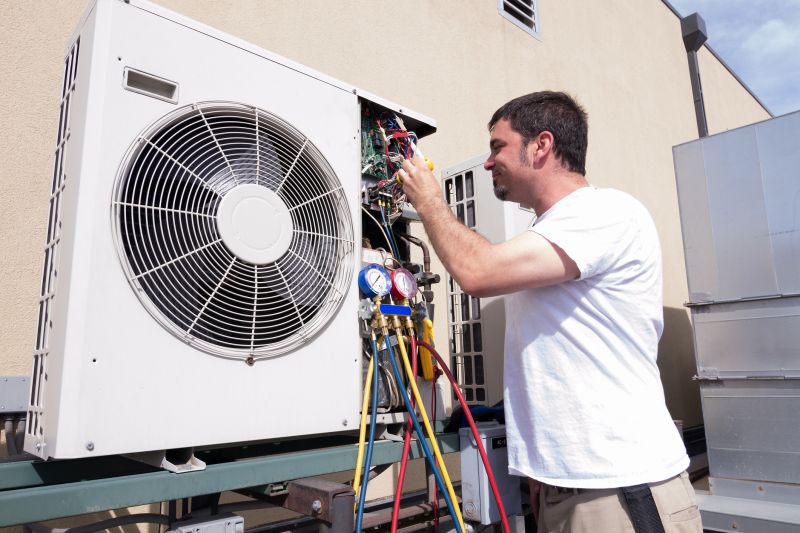
When comparing contractors for Mini Split installation, it’s important to consider their experience with similar projects. Homeowners should look for service providers who have a proven track record of installing mini split systems in homes comparable to their own. This can help ensure that the contractor is familiar with the specific challenges and requirements of such installations, leading to a smoother process and a more reliable outcome. Asking for details about past projects or reviewing portfolios can provide insight into their familiarity with mini split systems and their ability to handle the unique aspects of the work.
Clear, written expectations are a key part of choosing the right local contractor. Homeowners should seek service providers who can offer detailed descriptions of the scope of work, including the materials used, installation procedures, and any warranties or guarantees. Having this information in writing helps prevent misunderstandings and provides a reference point for the project’s progress. It’s also helpful to ask how the contractor plans to approach the installation to ensure their methods align with the homeowner’s needs and preferences.
Reputable references and good communication are essential when evaluating local pros for mini split installation. Homeowners should inquire about references from previous clients who had similar work done, and consider their experiences. Additionally, a contractor’s responsiveness and clarity in communication can indicate their professionalism and reliability. Service providers who are transparent, easy to reach, and willing to answer questions can help foster a positive working relationship and contribute to a successful project. It’s worth noting that this site introduces homeowners to local options and does not perform the work itself, making it important to independently verify the credentials and suitability of chosen service providers.
Property owners use Mini Split Installation services for practical projects around their homes and businesses. This guide focuses on everyday jobs and straightforward project options.
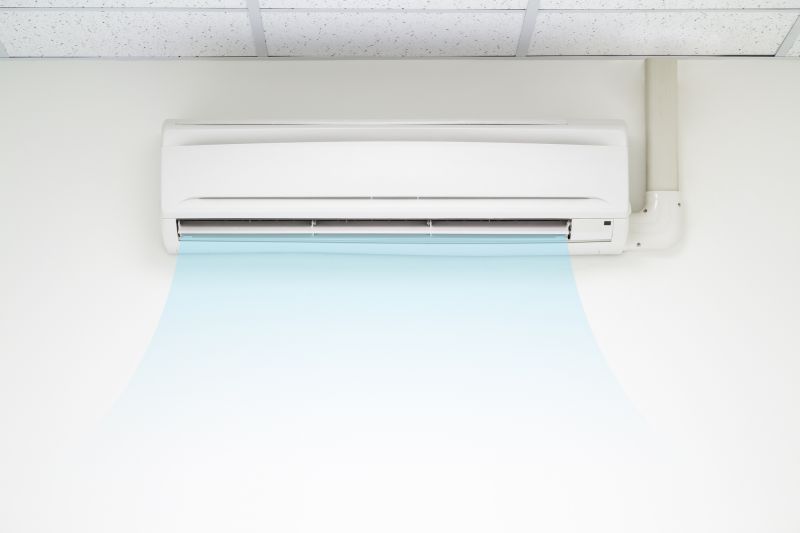
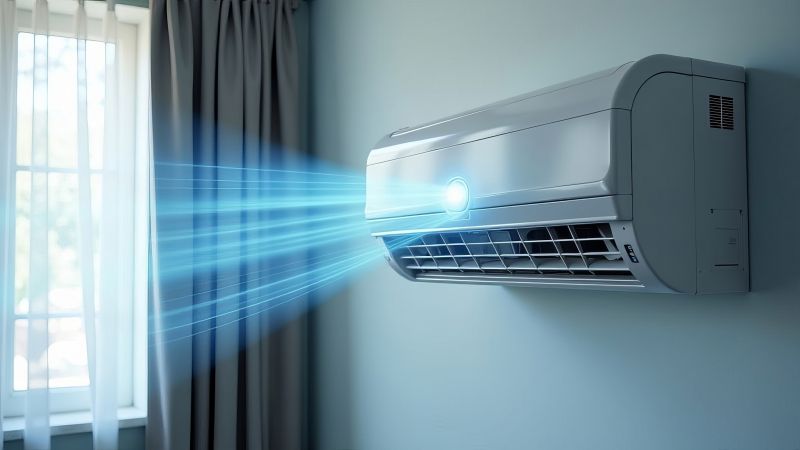
Mini split installation services are often sought by property owners who want an efficient way to cool or heat specific rooms or areas within their homes or commercial spaces. This is especially common when existing central systems are inadequate, outdated, or too costly to upgrade. Local contractors can help with installing these versatile systems, providing a tailored climate control solution that improves comfort without the need for extensive ductwork or major renovations.
Property owners might also look for mini split installation when they’re renovating a space, adding new rooms, or seeking a more energy-efficient alternative to traditional HVAC systems. Local service providers are available to handle these projects, offering professional installation that ensures the system operates effectively and meets the specific needs of the property.
What is involved in installing a Mini Split system? Installation typically includes mounting the indoor unit, connecting it to the outdoor condenser, and ensuring proper electrical wiring and refrigerant lines are in place.
Can existing walls be used for Mini Split installation? Yes, existing walls can often be used, but the suitability depends on the wall's structure and location. A local contractor can assess the space for proper placement.
Is special preparation needed before a Mini Split installation? Some preparation, such as clear access to the installation area and electrical connections, may be necessary. A professional can provide guidance based on the specific site.
Are there specific requirements for outdoor units during installation? Outdoor units should be installed on a stable, level surface with adequate clearance for airflow. Local contractors can determine the best placement for efficiency and access.
What types of indoor spaces are suitable for Mini Split units? Mini Split systems are versatile and can be installed in various spaces, including bedrooms, living rooms, or additions, depending on the size and configuration.
Improve indoor comfort during seasonal temperature changes - property owners can have local contractors install mini splits to efficiently heat or cool specific rooms.
Upgrade an aging cooling system - replacing outdated units with mini splits can enhance energy efficiency and reduce utility bills.
Create a zoned climate control system - mini split installation allows for customized temperature settings in different areas of a property.
Add cooling options to non-ducted spaces - mini splits provide a practical solution for cooling garages, workshops, or converted rooms.
If you are thinking about Mini Split Installation for a property, this guide is meant to help you understand the work, the typical project types, and how different options might fit your plans.
When you are ready, you can use the quote form on this page to share a few details about your project. From there, local pros can review the basics and respond with options that match what you have in mind.